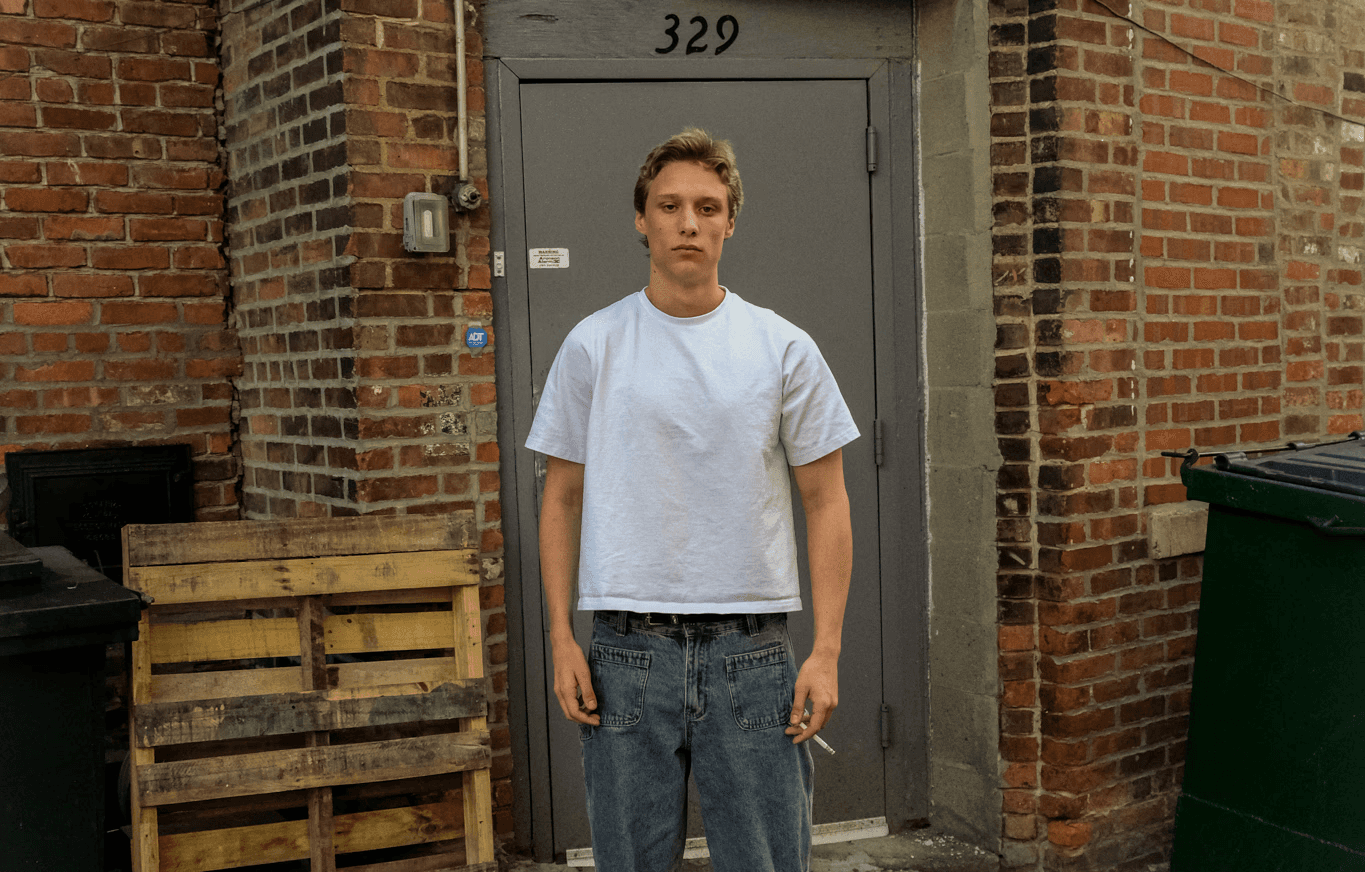
Background
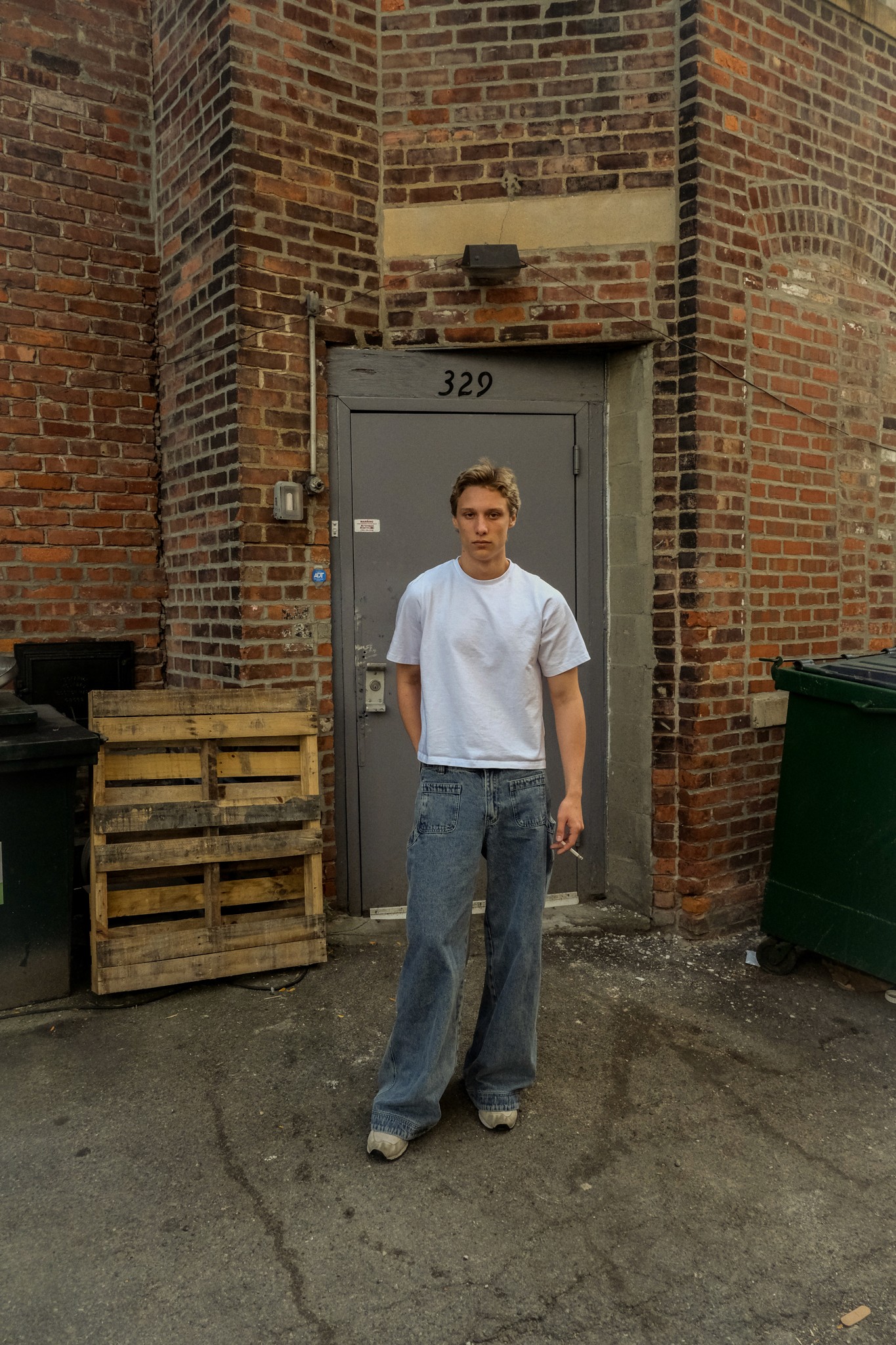
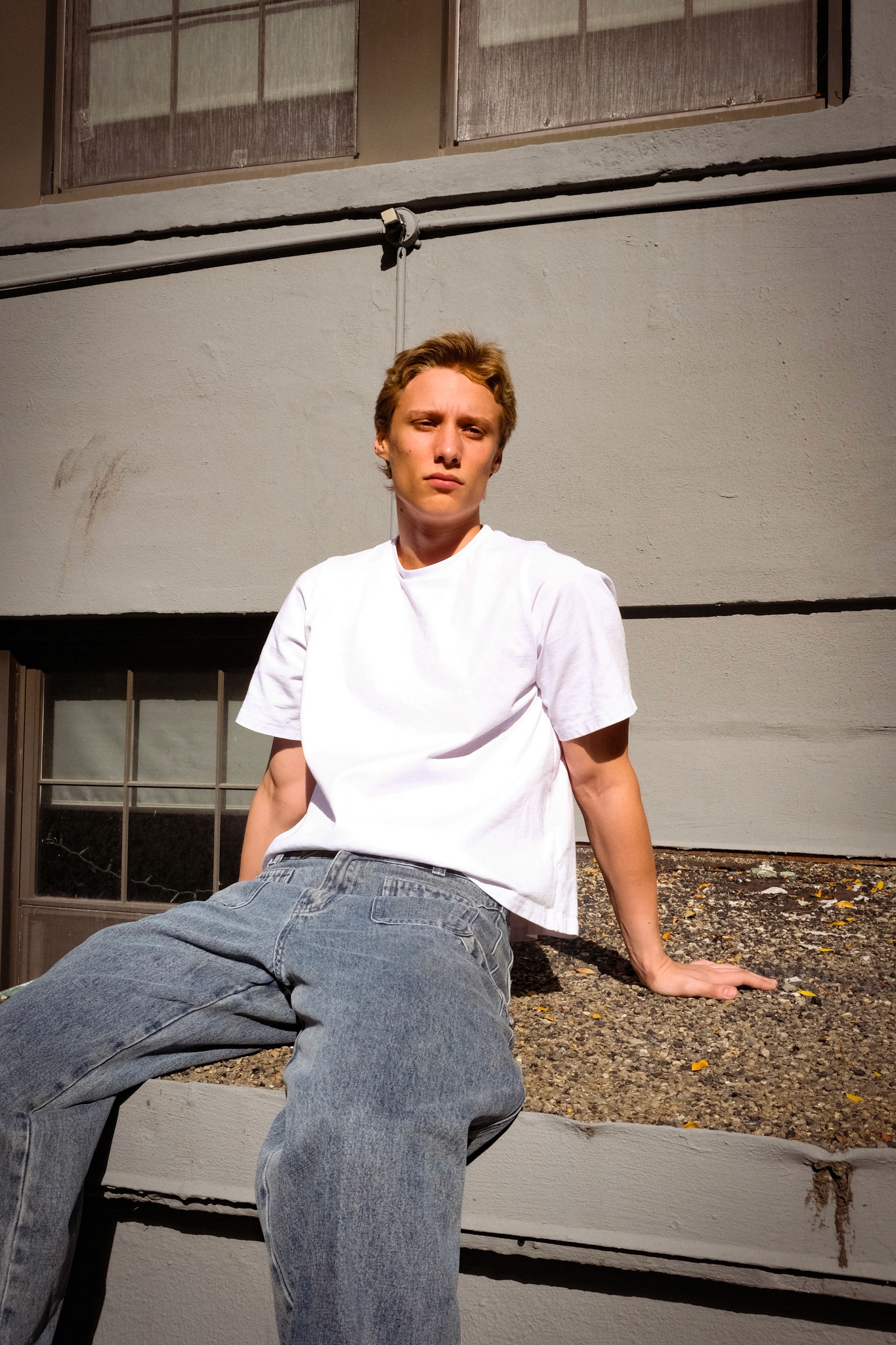
The Chalice Tee was an exercise in starting completely from scratch. Rather than sourcing existing garments and applying graphics, this project demanded full ownership of every decision—from the initial pattern draft to the final wash treatment. The goal was to design my own interpretation of a wardrobe essential: the white tee. Every element, from fabric weight to seam placement, was intentional and self-directed.
Core problem
The contemporary streetwear and independent fashion landscape relies heavily on blanks—pre-manufactured shirts that serve as a canvas for graphics. While convenient, this approach creates a fundamental problem: when everyone builds on the same foundation, products inevitably feel interchangeable. The cut is the same. The fabric is the same. The only differentiator becomes the print itself. This commoditizes design and limits what a garment can actually be. The challenge was to break from that dependency entirely and create something that couldn't exist any other way.
The Approach for Chalice Tee
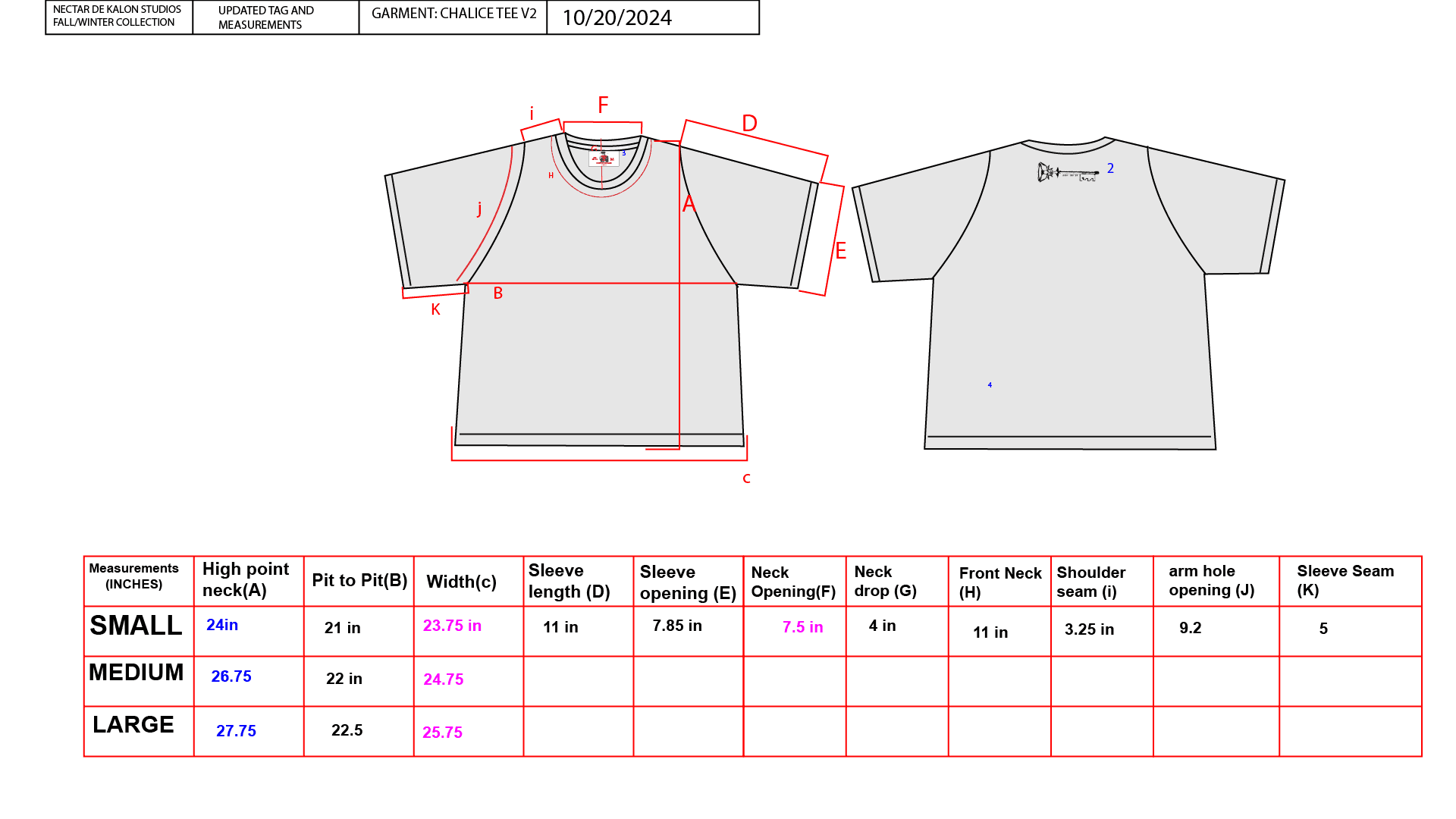
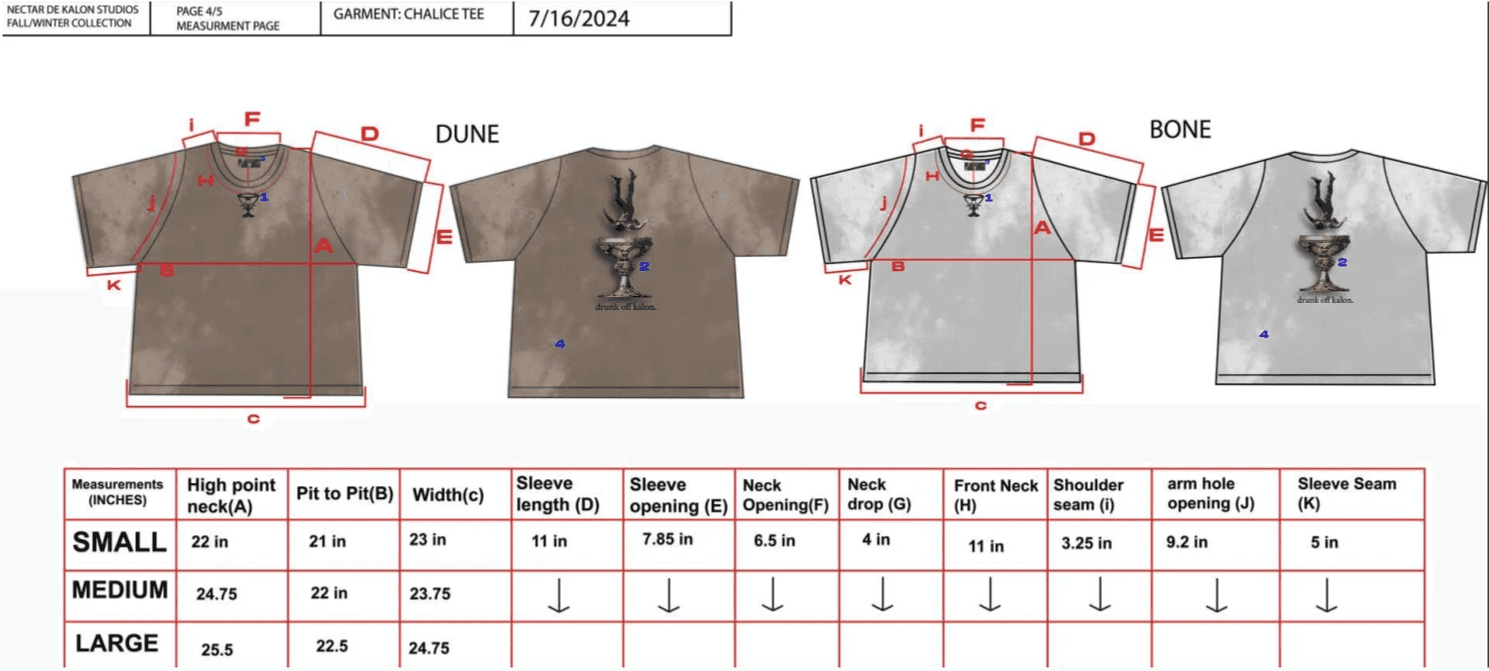
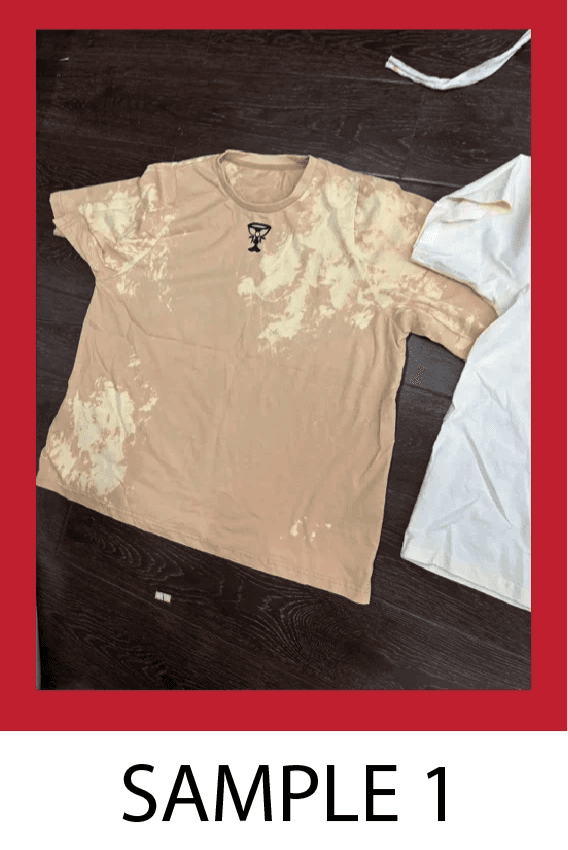
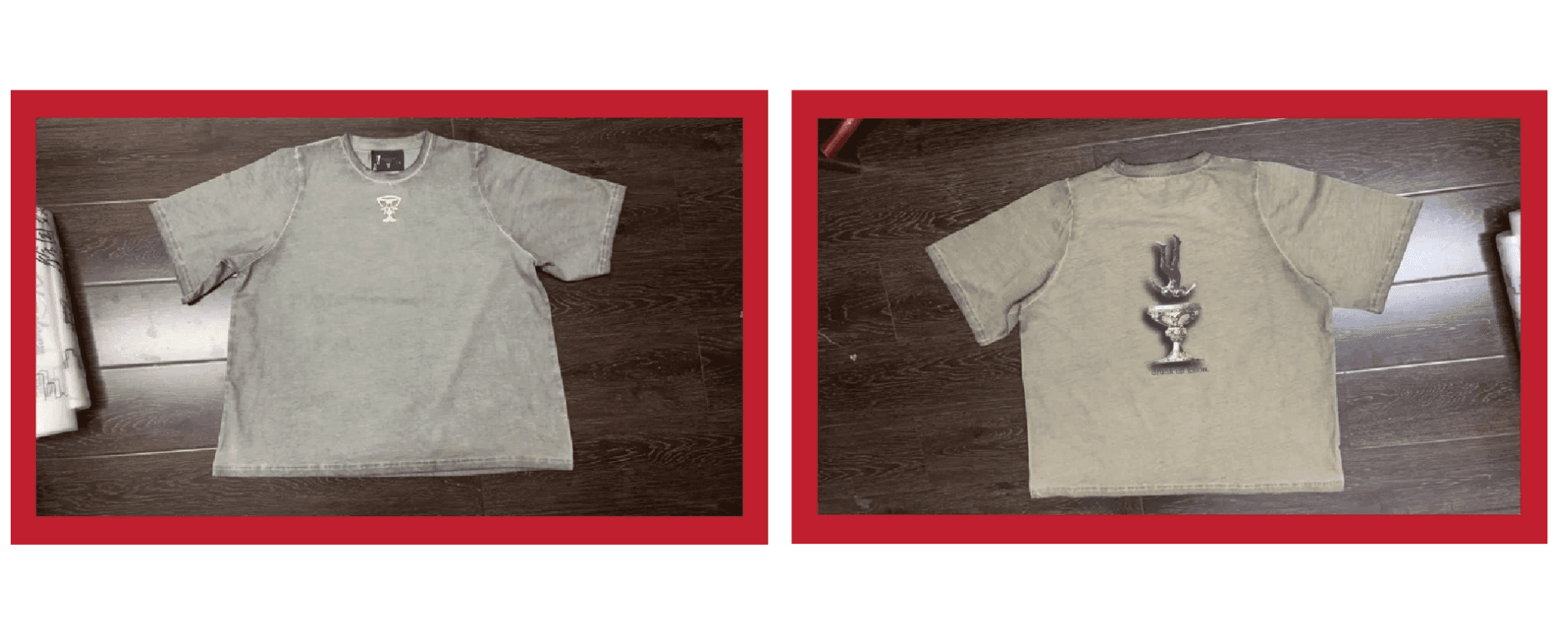
I treated this as a true design problem rather than a decorating exercise. The process began with hand-drafting each panel—sleeves, body, neckline—measuring and iterating until the proportions felt right for a cropped, contemporary silhouette. From there, I explored fabric treatments, testing multiple acid wash intensities to find a blend that felt worn-in without losing structure. The first sample came back with an uneven wash and slightly off cut. The second nailed the fit and wash but felt too lightweight, and DTG printing didn't hold on the treated fabric. After reworking the fabric composition and simplifying the graphic to better align with the original vision, the final version came together—a garment that couldn't have been pulled from a catalog.
My Process
Pattern Drafting: Hand-drafted each panel from scratch, creating prototypes to dial in the desired fit before sending to production.
Wash Development: Tested multiple acid wash treatments to achieve the right texture and color variation without compromising fabric integrity.
Iterative Sampling: Produced two sample rounds, adjusting cut, fabric weight, and print method based on each prototype's shortcomings.
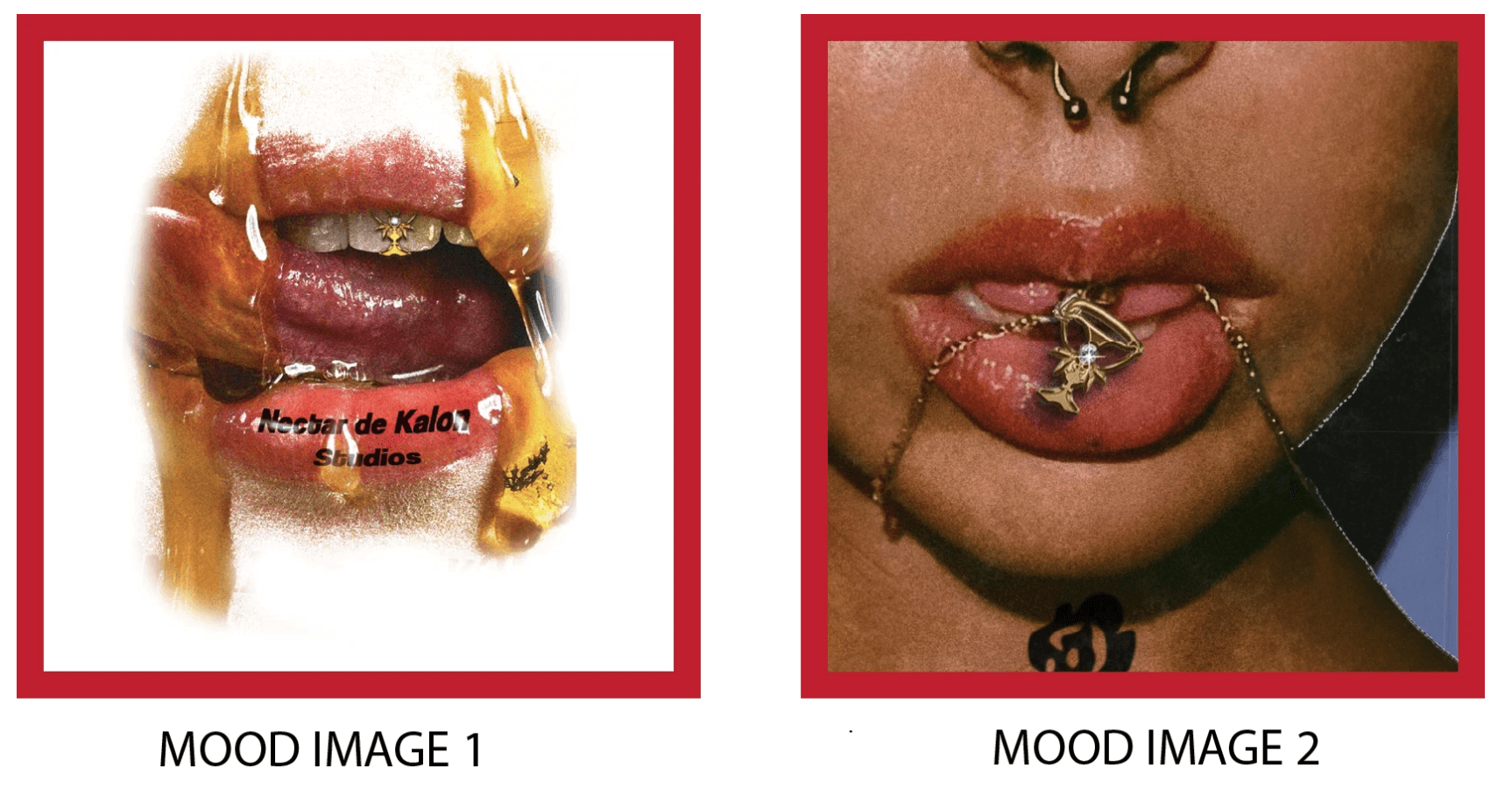
Design Refinement: Simplified the graphic direction after sampling, settling on a quieter aesthetic that better served the garment's overall presence.

Results and Impact
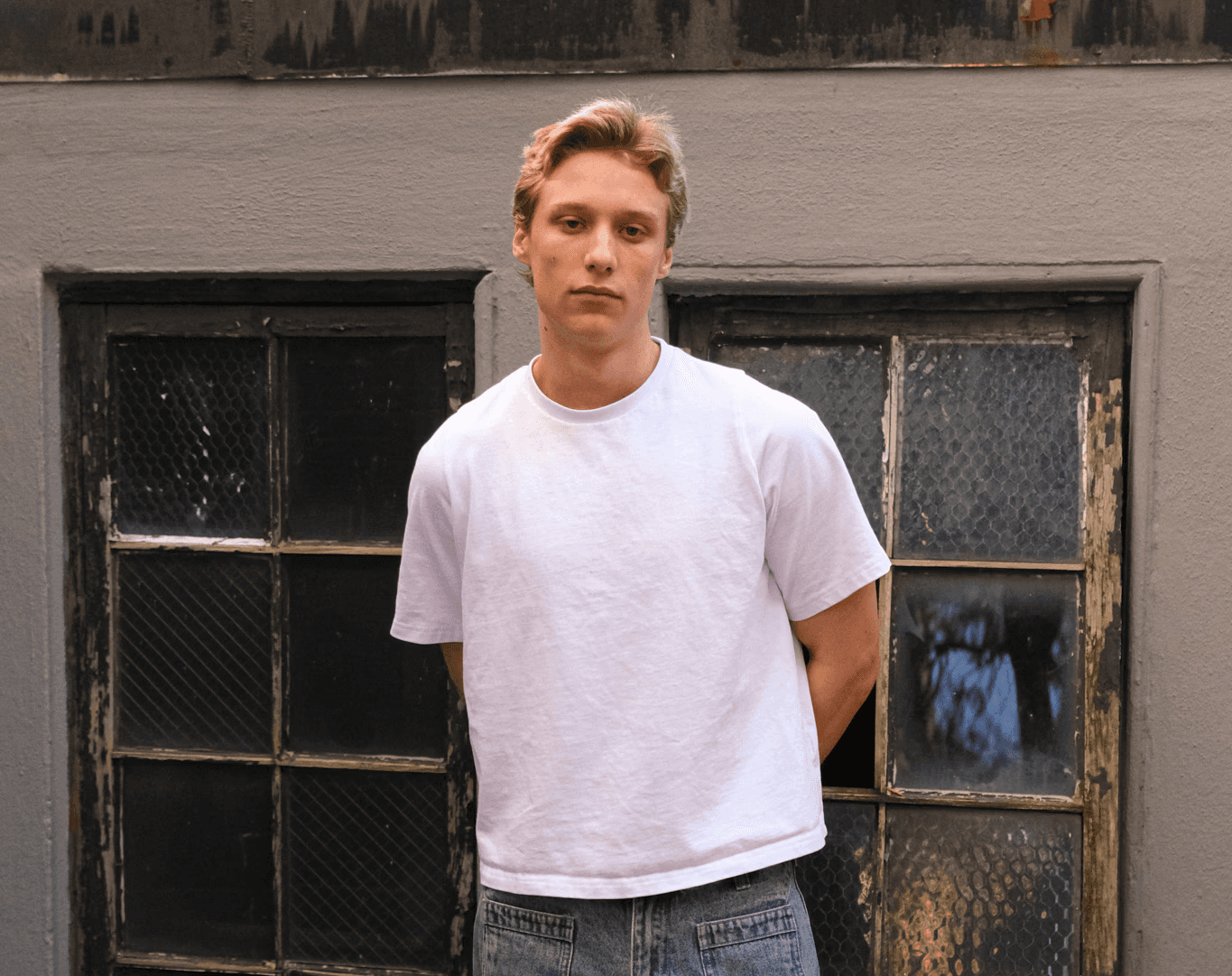
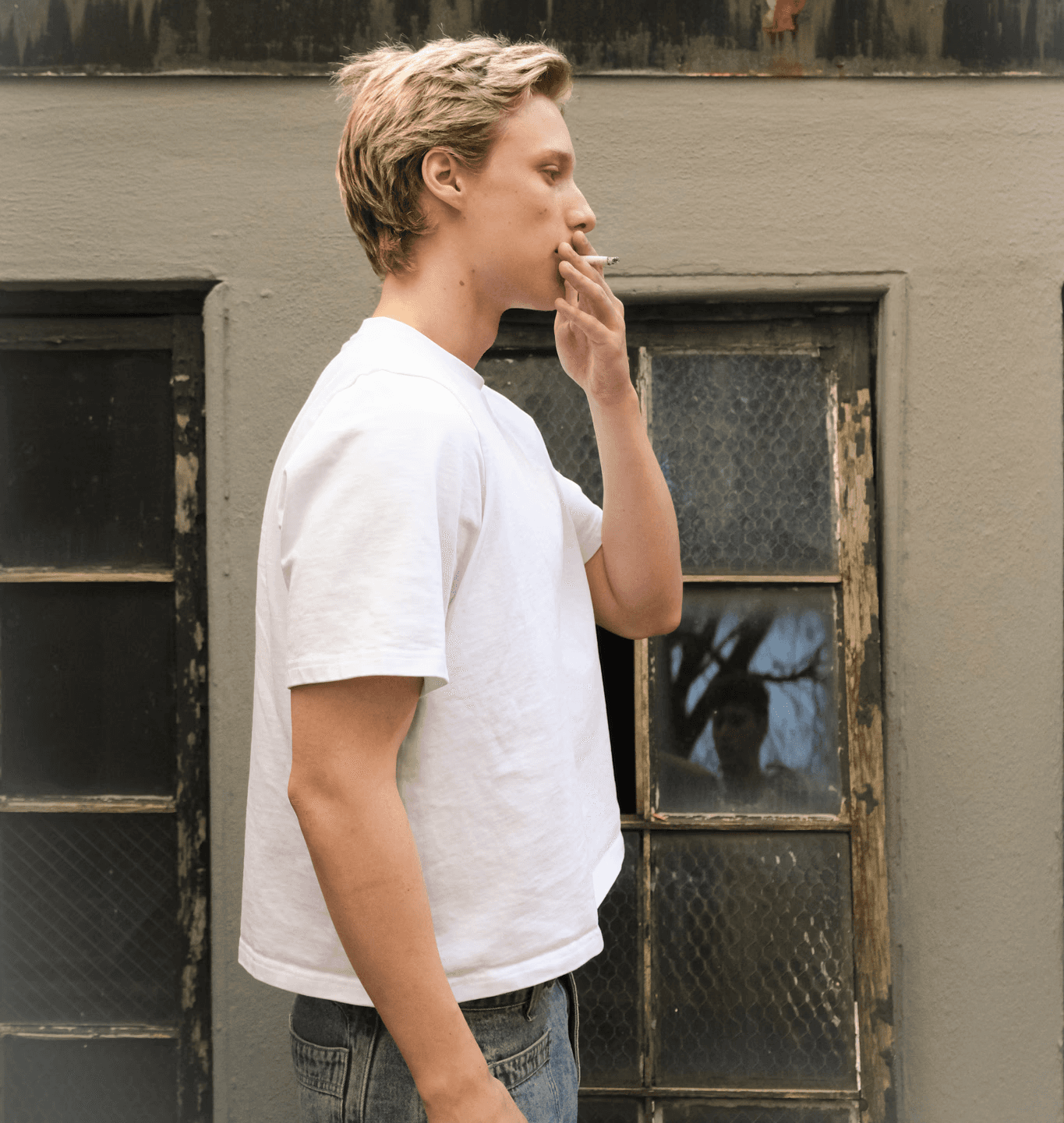
The Chalice Tee proved that building from scratch isn't just about differentiation—it's about control. By owning every stage of production, I could iterate on fit, fabric, and finish until the garment matched the original vision. The final piece stands apart from blank-based alternatives not because of a louder graphic, but because the shirt itself was designed with intention. This project reinforced a core principle: when the foundation is custom, the ceiling is higher.